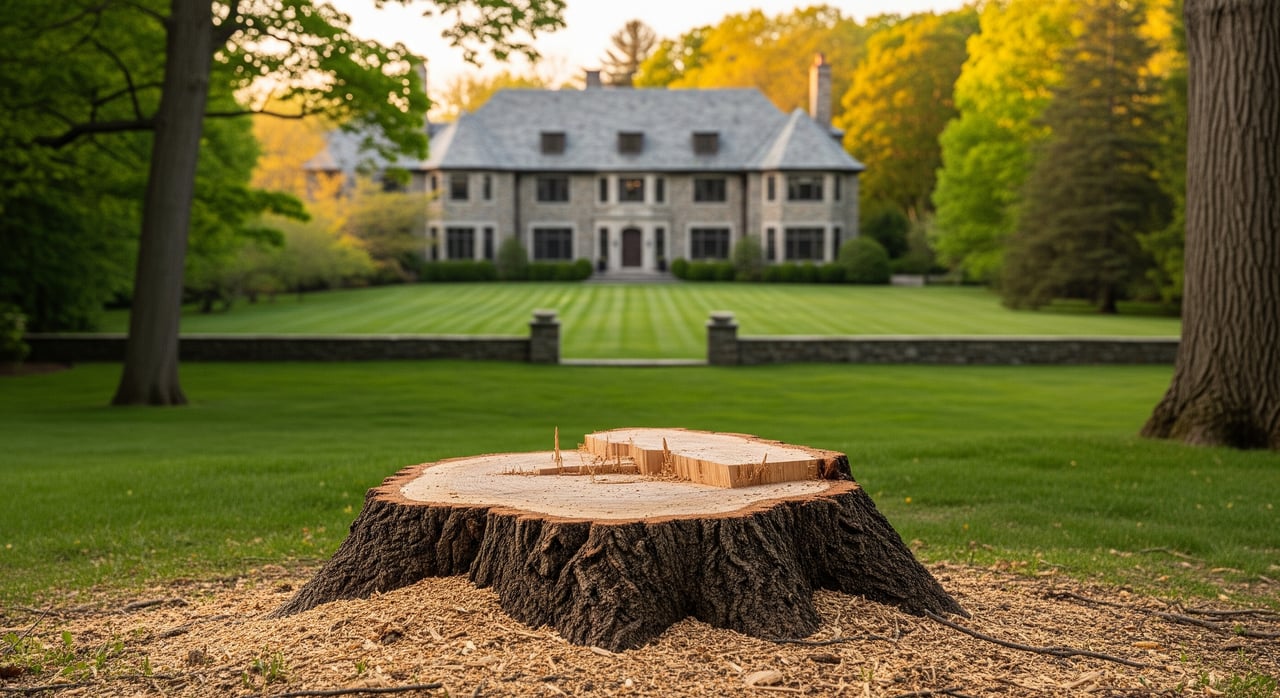
Thinking about removing a tree on your Bedford property? Before you book a crew, take a minute. Tree work that seems simple can trigger multiple permits, inspections, and replanting rules. A quick check now can save you from fines, delays, or a stop‑work order later.
You want to protect your property, stay compliant, and keep your timeline on track. That is especially important if you plan to remodel, refinance, or sell in the near term. In this guide, you will learn how tree rules work in Bedford, what commonly requires a permit, what documents to prepare, and how to avoid costly mistakes.
Here is a clear, homeowner‑friendly roadmap to move forward with confidence. Let’s dive in.
Who enforces Bedford tree rules
Several authorities can be involved depending on your location and scope. Start local, then check if county, state, or federal rules apply.
- Town of Bedford: The Building Department and Conservation Board typically review tree permits. A Tree or Wetlands Inspector may visit your site. Confirm the exact process through the Town Code or by contacting the departments directly.
- Westchester County: County planning and environmental review can apply for subdivision work or projects that trigger county coordination. Most single‑lot removals are local, but ask if your project touches a county road or drainage.
- New York State: The NYS Department of Environmental Conservation regulates tree work in or near state‑protected freshwater wetlands and buffers. If your property includes mapped wetlands or a regulated watercourse, state permits or mitigation may be required.
- Federal: The U.S. Army Corps of Engineers may have jurisdiction if work affects federally regulated wetlands or streams.
- Historic and scenic protections: If your home is in a local historic district or along a designated scenic road, you may need a separate approval or a certificate before removal.
When in doubt, call the Town of Bedford Building Department first, then confirm wetlands or historic requirements as needed.
Permit triggers to check
Bedford’s exact thresholds are set in the Town Code. Use the list below to understand typical triggers you should verify before removing any tree.
Tree size thresholds (DBH)
- Many towns require permits based on diameter at breast height, measured at 4.5 feet above grade. Regional thresholds often range from about 6 to 12 inches DBH.
- Confirm Bedford’s size threshold, whether it applies to all species or only certain categories, and if multiple removals change the requirement.
Wetlands and watercourse buffers
- Trees within state or local freshwater wetlands and buffer zones often require permits and mitigation. This can include riparian areas near streams on your lot.
- Check mapped wetlands and regulated buffers before any removal or clearing.
Streets, scenic roads, and rights‑of‑way
- Trees in the public right‑of‑way or planted by the town generally require permission from the Highway Department.
- Scenic road designations can trigger additional review if removals are visible from the corridor.
Historic districts and preservation overlays
- If your property sits in a locally designated historic district, removal may require review to protect district character.
- Ask whether you need a permit or a certificate of appropriateness.
Steep slopes and construction activity
- Tree clearing tied to new construction, grading, or on steep slopes can trigger erosion and stormwater controls. You may need a plan and inspections.
Easements and private restrictions
- Conservation easements, subdivision covenants, and HOA rules may restrict removals. These private agreements are enforceable and separate from town permits.
How to confirm your permit path
Use this quick workflow to get clear answers and document them.
- Review the Town of Bedford Code. Search for “trees,” “tree removal,” “wetlands,” “steep slopes,” “historic,” and “right‑of‑way.” Note any thresholds, exceptions, and required forms.
- Call the Building Department. Describe your property, tree size and location, and whether wetlands, steep slopes, or road frontage are involved.
- Contact the Conservation Board or Wetlands Inspector if a stream or wetland is nearby. Ask if a local or state permit is needed.
- If you are on or near a scenic road, confirm the process with the town and, if applicable, the Highway Department.
- If you are in a historic district, check with the Historic Preservation Commission for required approvals.
- Request the town’s determination in writing. Keep the email or memo with your records.
Sample request language you can use:
- “I am planning to remove [number] tree(s) at [address]. The trees are approximately [DBH] inches in diameter and located [describe location and proximity to any streams or roads]. Please confirm what permits or approvals are required and whether any replanting is expected. A written email response is appreciated for my records.”
What to submit with your application
Preparation speeds approvals. Gather these items before you apply.
- Completed permit application and fee. The current fee schedule is published by the town.
- Plot plan or site plan. Show property lines, structures, driveways, and the exact location of each tree to be removed.
- Tree inventory. List species and DBH for each tree. For larger projects, a certified survey may be required.
- Arborist report. If trees are diseased or hazardous, include a certified arborist’s assessment with photos and a hazard rating.
- Photographs. Provide context shots from the street and close‑ups of each tree.
- Replanting or mitigation plan. List species, sizes, and proposed locations for replacement trees if required.
- Erosion and sediment control plan. Include this if work is near a slope, wetland, or tied to construction.
- Neighbor notification. Some permits require notice or a hearing. Ask the town whether this applies to your project.
- Bond or performance security. For larger scopes, the town may require a bond to ensure plantings survive and restoration is completed.
Replanting and mitigation expectations
Replanting is common. Requirements vary by municipality, but these themes are typical.
- Replacement ratios. Some towns require one‑to‑one replacement by total caliper, others require multiple smaller trees for each larger tree removed. Confirm Bedford’s current standard before you finalize your plan.
- Species selection. Native, non‑invasive trees adapted to local conditions are usually preferred. Follow best‑practice planting guidance for pit size, mulching, staking, and irrigation.
- Timing and survival. Replacements are often required within the next planting season or within 6 to 12 months, with an inspection. A one‑ to three‑year survival guarantee is common.
- Alternatives. If your site cannot accommodate replacements, towns sometimes accept off‑site planting or a payment into a municipal tree fund.
Avoid costly mistakes
A few preventable errors cause most fines and delays. Focus on these safeguards.
- Verify ownership before cutting. Street trees and right‑of‑way trees are usually town‑controlled. Do not remove them without written permission.
- Do not assume “hazard” waives permits. Emergency removals can be allowed for imminent danger, but many towns still require documentation and post‑removal notification.
- Check wetlands and buffers. Clearing within regulated areas without approval can lead to substantial penalties and restoration orders.
- Confirm historic and scenic reviews. If your property is in a district or along a scenic road, get approvals first.
- Manage your contractors. You are responsible for compliance. Require written permits, keep copies on site, and have your contractor follow conditions exactly.
Keep a paper trail. Save permits, arborist reports, photos, invoices, and all emails so you can show compliance if questions arise.
Timelines, fees, and inspections
Plan your schedule with a buffer. Review times vary with scope and season.
- Timelines. Simple, single‑tree removals can be approved within days to a few weeks. Projects involving wetlands, public notice, or board review may take several weeks to months.
- Fees. Expect a flat fee or fees that scale by tree size or count. Add arborist, survey, and potential bond costs to your budget.
- Inspections. Many permits include a pre‑removal verification and a post‑removal or replanting inspection. For projects with survival guarantees, follow‑up checks are common.
How this impacts resale value
Unpermitted removals can create disclosure issues, delay closings, and trigger repair or replanting orders during buyer due diligence. Lenders and appraisers may flag open violations, which can derail financing and leverage in negotiations. By aligning permits, documentation, and replanting up front, you protect your timeline and preserve value when it matters most.
Work with a vetted team
If your removal touches wetlands, a scenic road, or a historic district, involve qualified pros early. A certified arborist and a detail‑driven contractor will streamline your submittals and reduce risk. If you are coordinating permits as part of a larger sale or renovation plan, a single point of contact who manages documents, timelines, and trades can save weeks.
Ready to align your property plans with Bedford’s rules and keep your schedule on track? Request a private, investment‑grade consultation with Unknown Company.
FAQs
Do I need a permit for a dead tree in Bedford?
- Possibly. Emergency removals for imminent hazards may be allowed, but many towns still require documentation from a certified arborist and post‑removal notification. Confirm Bedford’s current policy before or immediately after emergency work.
How do I know if wetlands rules apply to my Bedford lot?
- Look for mapped freshwater wetlands, streams, or low‑lying areas on or near your property. If any are present, contact the Town’s Conservation Board or Wetlands Inspector to confirm buffers and permit needs before removing trees.
What if the tree is on the property line in Bedford?
- Verify ownership with a recent survey or deed. If the tree is shared, both owners should agree to removal. If it may be within the public right‑of‑way, get the town to confirm boundaries in writing before any work.
Can my tree contractor pull the permit in Bedford?
- Often yes, but you are still responsible for compliance. Make sure the permit is issued in writing and that you receive copies of all approvals and conditions before work begins.
Will Bedford require me to plant new trees after removal?
- It depends. Many permits include replanting or mitigation conditions, sometimes with minimum sizes and survival periods. If on‑site planting is not feasible, ask about alternatives such as off‑site plantings or payment into a tree fund.
How long do Bedford tree permits usually take?
- Simple permits can take days to a few weeks. If wetlands, board reviews, public notice, or bonds are involved, expect several weeks to months. Build in buffer time, especially near planting seasons.