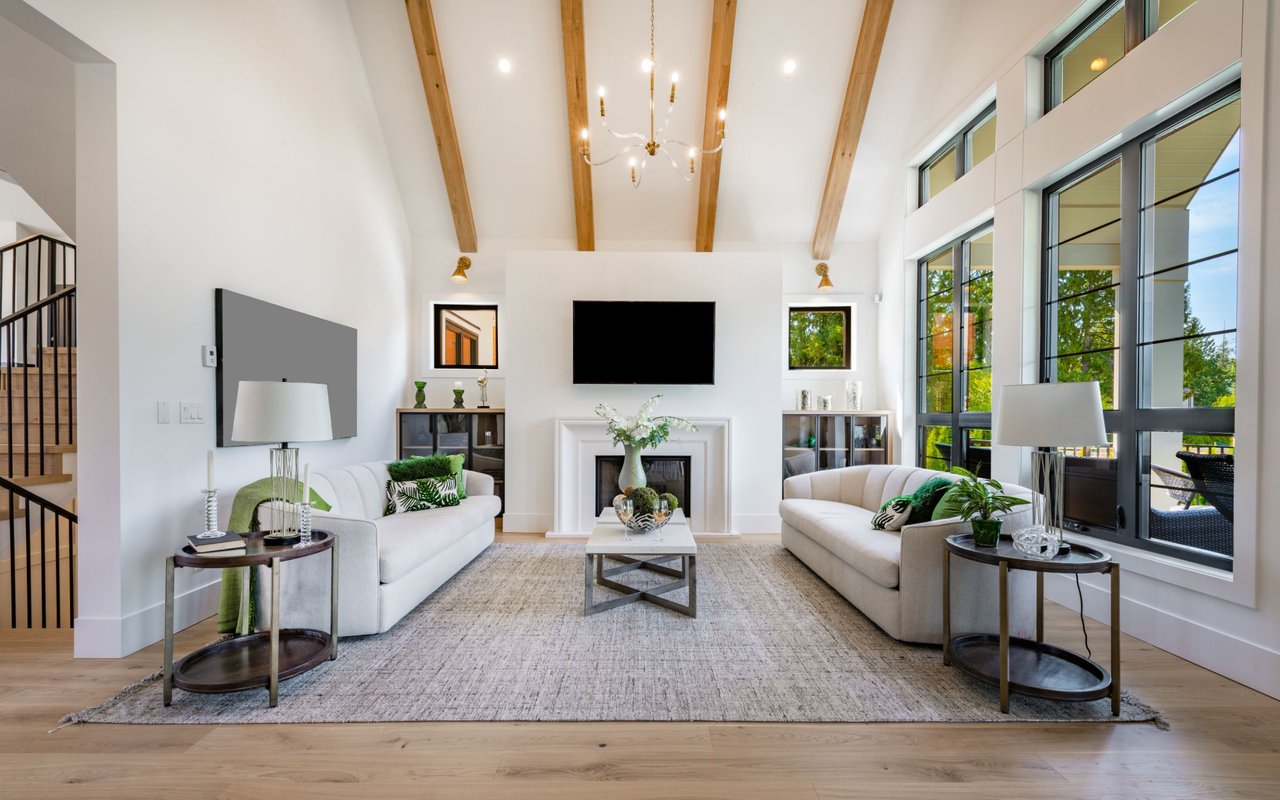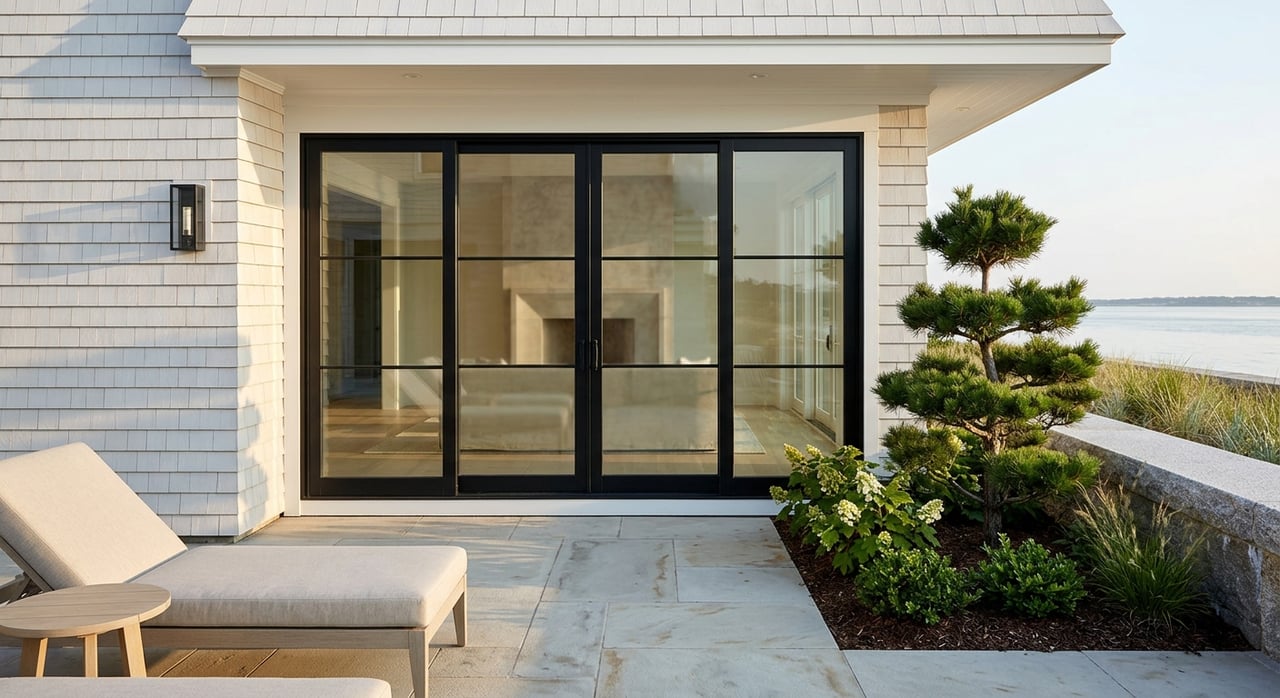
If you are deciding between Greenwich waterfront and backcountry, you are not just choosing a home style. You are choosing the rhythm of your day-to-day life. In Greenwich, that choice often comes down to coastal routine versus estate-land routine, and understanding that difference can save you time, sharpen your search, and help you buy with more confidence. Let’s dive in.
Waterfront vs Backcountry at a Glance
In broad terms, Greenwich waterfront living centers on shoreline access, boating, beaches, and harbor-oriented recreation. The town offers well-known coastal amenities such as Greenwich Point Park, Byram Park, Island Beach, and marina facilities that support an active water-focused lifestyle.
Backcountry Greenwich offers a very different setting. In the town’s northwest areas, including places shaped by District 10 planning and four-acre zoning patterns, the feel is more wooded, private, and parcel-driven. Here, buyers are often weighing land, buffer, and lot configuration just as closely as the house itself.
That distinction matters because price alone does not tell the whole story. In Greenwich, the better question is often not “Which area is more expensive?” but “Which environment fits how you want to live?”
What Waterfront Living Feels Like
If you are drawn to the water, Greenwich gives you real municipal access points that shape everyday living. Greenwich Point Park spans 147.3 acres and offers beach and recreation space in Old Greenwich. Byram Park includes a beach, pool, marina, boat launch, and boat club, while Island Beach adds a seasonal ferry-linked option for waterfront recreation.
For many buyers, this creates a specific lifestyle pattern. You may prioritize proximity to beaches, harbor views, boating logistics, or easy access to shoreline amenities. In that case, the home is only part of the decision, and the surrounding water-oriented infrastructure becomes equally important.
Waterfront housing stock is also more varied than many people expect. A current Greenwich waterfront snapshot shows inventory ranging from a roughly $1.239 million condo to a $45 million estate, which means coastal ownership can span very different property types, lot sizes, and price points depending on the exact location and setting.
What Backcountry Living Feels Like
Backcountry Greenwich appeals to buyers who want more land and more separation. In the inland estate areas, especially north of the Merritt Parkway, the pattern is shaped by larger lots and a more wooded residential environment, supported by the town’s four-acre zoning framework.
That has practical implications for your search. Instead of focusing primarily on water access or marina proximity, you may be evaluating driveway approach, usable land, setbacks, topography, and the degree of natural buffer around the home. In this part of Greenwich, the parcel can be as important as the residence.
This setting also connects well with open-space living. Babcock Preserve offers 300 acres with trails, bridle paths, and horseback riding, while Mianus River Park adds hiking, fishing, and dog walking opportunities across Greenwich and Stamford acreage. If your idea of luxury includes privacy, trees, and room to spread out, backcountry often aligns with that goal.
Price Differences Are Not Always What You Expect
One of the biggest misconceptions in Greenwich is that waterfront is always the most expensive option. The data suggests a more nuanced picture.
According to Realtor.com’s Greenwich market snapshot, the town had 155 listings, a median home price of $3.5 million, and median days on market of 69 as of January 2026. But submarket behavior varies sharply.
For example, Old Greenwich is currently described as a seller’s market, with a median listing price of $2.495 million and 20 median days on market. By contrast, Mid Country East is noted as a buyer’s market with 8 homes for sale, a median listing price of $8.35 million, and 39 median days on market. Mid Country West sits even higher, with 7 homes for sale and a median listing price of $9.4325 million.
The takeaway is clear. Some inland estate segments are priced above many coastal segments, even though certain elite harborfront and direct-water properties can still reach into the tens of millions. If you are comparing value, it is smarter to look at specific enclaves, lot characteristics, and inventory conditions than to assume one broad category always commands a premium.
Inventory Can Feel Very Different by Enclave
Supply also changes the experience of searching. Some coastal enclaves are extremely limited in available inventory.
For instance, Indian Harbor currently shows just 3 homes for sale, with asking prices ranging from $8 million to $45 million. Bell Haven also shows 3 homes for sale, while Old Greenwich has a larger current snapshot with 9 homes for sale.
That matters because your flexibility may depend on where you are willing to look. If your search is tightly focused on a very specific waterfront pocket, you may face less choice and more timing pressure. If you broaden your search to include other coastal or inland luxury segments, you may uncover more options that still align with your priorities.
How to Choose Based on Daily Routine
The most effective way to choose between waterfront and backcountry is to start with how you want your week to function.
If you picture weekends around beaches, ferry rides, marina access, and time near the harbor, waterfront may be the better fit. The town’s coastal amenities support that pattern in a tangible way, and for the right buyer, that convenience is a major part of the property’s value.
If you are looking for larger acreage, more visual and physical separation, and close connection to trails and preserved land, backcountry may offer a better match. In these areas, the sense of space is often part of the appeal, not just an added feature.
A useful framework is to ask yourself three simple questions:
- Do you want your lifestyle anchored by shoreline access or land and privacy?
- Are you more focused on amenity proximity or parcel quality?
- Would you rather compete for limited coastal inventory or evaluate broader estate-style inland options?
Those answers can help narrow your search quickly.
Waterfront Due Diligence Matters More
If you are considering a waterfront purchase, there is an additional layer of review that should not be overlooked. Greenwich has publicly documented coastal planning considerations tied to sea level rise and tidally impacted areas.
The town’s Coastal Resiliency Assessment examines impacts at places such as Greenwich Point, Bruce Park, and Binney Park. In addition, the town’s Coastal Overlay Zone requires coastal site plan review for many projects inside the coastal area.
There is also the insurance question. FEMA notes that homes in high-risk flood areas with government-backed mortgages are required to carry flood insurance. For buyers, that means a waterfront purchase is not only about views and access. It can also involve permitting, resilience planning, and ongoing carrying-cost analysis.
Backcountry Due Diligence Has a Different Focus
Backcountry due diligence is less about coastal regulation and more about land-use practicality. Because parcel size and site layout play such a central role, inland buyers often need to study the relationship between the house and the lot more carefully.
That can include evaluating how much of the acreage feels usable, how the home sits on the property, and how zoning patterns affect the surrounding landscape. In Greenwich’s backcountry context, lot configuration is often a value driver in its own right.
This is one reason a finance-first approach can be useful. When you compare homes across waterfront and inland segments, you are not simply comparing finishes or square footage. You are comparing lifestyle utility, inventory scarcity, and long-term ownership considerations.
Which Greenwich Setting Fits You Best?
If you want a home that supports beach days, boating access, and a harbor-centered routine, Greenwich waterfront may be the right match. If you want wooded surroundings, larger parcels, and a quieter estate setting, backcountry may serve you better.
Neither option is automatically better. Each offers a different version of luxury, and in Greenwich, the strongest buying decisions usually come from matching the property to your daily habits, long-term priorities, and risk tolerance.
If you want help comparing Greenwich waterfront and backcountry through both a lifestyle and investment lens, William Martin offers discreet, data-driven guidance tailored to your goals.
FAQs
What is the main difference between Greenwich waterfront and backcountry homes?
- Greenwich waterfront homes are typically tied to shoreline access, beaches, boating, and marina-oriented amenities, while backcountry homes are more often defined by larger lots, wooded settings, and privacy.
Are Greenwich waterfront homes always more expensive than backcountry homes?
- No. Current market snapshots show that some inland Mid Country segments have higher median listing prices than Old Greenwich, even though certain direct-water and harborfront properties can still command much higher prices.
What amenities define Greenwich waterfront living?
- Waterfront living in Greenwich is shaped by access to places like Greenwich Point Park, Byram Park, Island Beach, and marina facilities that support beach use, boating, and shoreline recreation.
What should buyers review before purchasing a Greenwich waterfront home?
- Buyers should review flood risk, possible flood insurance requirements, coastal site plan review rules, and town resiliency considerations tied to coastal areas.
What makes Greenwich backcountry appealing to estate buyers?
- Backcountry Greenwich appeals to buyers who want larger parcels, natural buffers, wooded surroundings, and access to open-space amenities such as Babcock Preserve and Mianus River Park.
How can you decide between Greenwich waterfront and backcountry neighborhoods?
- A practical way to decide is to compare your preferred daily routine, whether you value shoreline access or land and privacy more, and how comfortable you are with the inventory and due diligence factors in each segment.